
Table of Contents
Plenty of people around Watkinsville have heard that a few minutes in cold water can change how they sleep, and the question comes up almost every week at Thrive Aesthetics and Wellness Spa. The honest answer is that cold plunge therapy may support more restful nights for some people, mostly by helping an overstimulated nervous system settle and by easing the physical discomfort that pulls people out of deep sleep.
What follows is the practical version of the cold plunge and sleep conversation: how cold exposure affects the body, when to schedule a session, and who should check in with a provider first.
Does a cold plunge actually help you sleep better?
For some people, yes. Brief cold-water immersion can help the body shift out of a keyed-up state and ease the soreness that interrupts overnight rest. Timing makes the difference. A session earlier in the day usually supports sleep, while plunging right before bed can leave you feeling alert instead of settled.
What Cold Plunge Therapy Actually Is
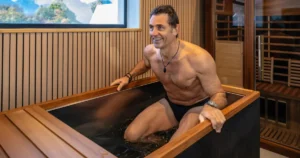
Cold plunge therapy is a brief, controlled immersion in cold water, usually lasting 2 to 5 minutes. A guided session is different from filling a tub with ice at home. The water stays at a consistent temperature, someone is there to guide your breathing, and the session length is adjusted to your comfort rather than a stopwatch you are trying to beat.
It belongs in the recovery and wellness category, not the medical treatment category, which is why the sleep question is really a nervous system question.
How Cold Water Immersion Affects the Nervous System
Cold water triggers two distinct phases, both of which affect how you feel hours later. The first is the cold shock response. Your breathing quickens, your heart rate climbs, and you feel sharply awake. The second phase arrives as you steady your breath and step out, when the calming side of the nervous system takes over, and the body eases into a quieter state.
Many clients describe that second phase as a clear sense of relaxation, a kind of settled feeling that arrives after the initial jolt fades. That two-part pattern is why timing determines whether cold water therapy helps your night or works against it.
The Core Temperature Connection
Your body lowers its core temperature in the hours before sleep, and that drop signals to the brain that it’s time to wind down. For some people, cold exposure followed by gradual rewarming can echo that natural pattern, which is why the practice has become part of so many evening wind-down habits.
The caveat is real, though. Plunge too close to bedtime, and the rewarming process can produce a surge of alertness instead of drowsiness. Individual response varies widely here, more than most people expect.
Why Better Recovery Often Means Better Sleep
Much of the reported improvement in sleep quality comes indirectly, through comfort rather than through sedation. Sore muscles, stiff joints, and a body still buzzing from a hard workout often leave people waking at 2 a.m. without knowing why. A nervous system stuck in a high-alert state resists settling in the same way.
A consistent nighttime recovery habit lowers that friction. Less soreness and tension generally mean fewer reasons to wake up at night. This is support for rest, not a treatment for insomnia or any diagnosed sleep condition, and we are careful to describe it that way.
When to Plunge if Sleep Is the Goal
Timing is the single variable most people get wrong. Here is how we generally frame it:
- Morning or early afternoon: best for anyone who finds cold exposure energizing and wants that alertness during the day.
- Late afternoon to early evening: the window most often suggested when rest is the aim, since it leaves time to rewarm fully.
- The hour before bed: usually counterproductive, because the rewarming surge arrives right as you are trying to settle.
Pairing works well too. Following a session in our infrared and red light sauna with a plunge creates a contrast practice that many clients fold into their evening.
Who Should Be Cautious With Cold Plunge Therapy
Cold immersion is not appropriate for everyone. Anyone with a cardiovascular condition, blood pressure concerns, or circulation issues should talk with their physician before booking. The same applies during pregnancy, with Raynaud’s, and with certain neurological or respiratory conditions. First-timers do best starting short and supervised rather than pushing for duration.
How to Build Cold Plunge Into a Sleep-Friendly Routine
Consistency serves people better than intensity. Two or three shorter sessions a week will tell you more about your own response than one long plunge you white-knuckle through. Give it a few weeks and pay attention to how you feel that night, since reaction to cold is genuinely individual.
A sleep routine still needs its foundations. Cold exposure cannot replace a consistent bedtime, morning light, sensible caffeine timing, or a medical evaluation when sleep trouble persists. For anyone training through a Georgia summer or recovering from weekend miles around Athens, recovery and sleep tend to improve together, which is why cold plunge for sleep in Watkinsville, GA has become part of so many regular routines.
Rest Better by Starting With Small, Repeatable Steps
Cold plunge therapy can support better sleep for some people, largely by calming the nervous system and reducing the physical discomfort that interrupts rest. A reasonable next step is a short, guided session at a time that fits your schedule, then paying attention to how you sleep that night.
Looking to build a more restorative wellness routine? Explore cold plunge therapy at Thrive Aesthetics + Wellness in Watkinsville, and our team will walk you through your first session at a pace that suits you. Our Team reviews your health history before your first session and adjusts the experience to your comfort level, which is the part a home setup cannot replicate.